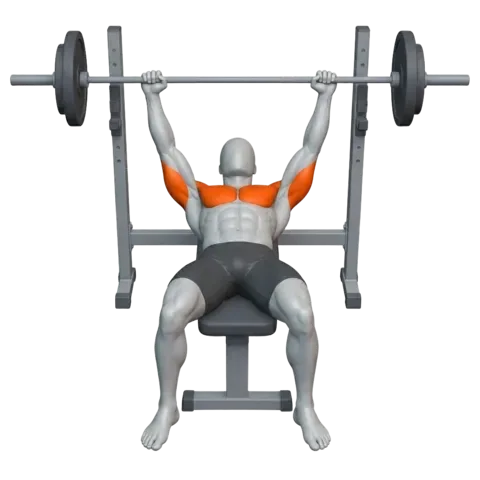
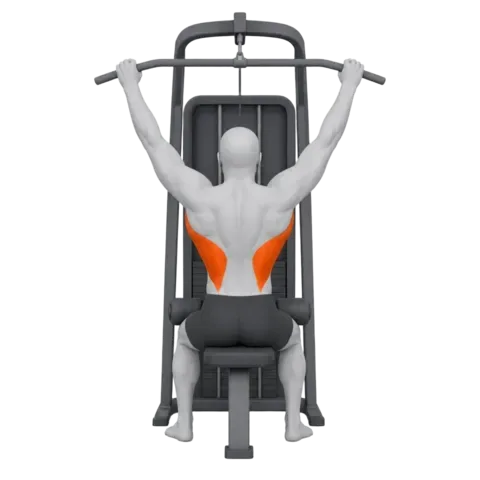
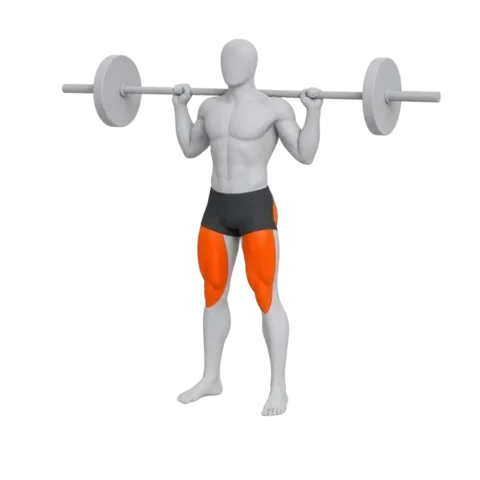
A 6 day push pull legs routine runs push, pull and legs twice a week, with one rest day. This PPL split has 84 working sets a week, trains for four weeks and deloads in the fifth. It is built for an advanced lifter; a beginner should train three or four days.
- Days
- 6 a week
- Session
- 60–75 min
- Block
- 5 weeks
- Level
- Advanced
- Goal
- Muscle size
- Equipment
- Commercial gym
Who this routine is for
Advanced lifters who want muscle size, can train six days a week, and have up to 75 minutes a session in a commercial gym: a barbell and rack, dumbbells, cables and machines.
It is not a routine to start on. RIGOR's rules give an advanced lifter at least 16 sets a week for each big muscle group, with half a set counted for a muscle that only helps, and a beginner 10. New to lifting? Begin with a 3 day full body workout or a 4 day upper lower split.
Is 6 days a week too much?
For a beginner, yes, and for anyone who cannot keep six days most weeks. Six days are not what grows the muscle: a 2019 review of 25 studies found that training a muscle more often made no significant difference to its growth when the weekly work was the same.
What six days give an advanced lifter is room: 84 working sets a week in sessions of 12 to 16, where four days would need 21 a session. If you have fewer than six free days, or want more than one rest day, train a 4 day upper lower split instead.
RIGOR is a strength training app for iPhone that builds your plan and sets every weight by rules you can read.
YOUR IPHONE

The week
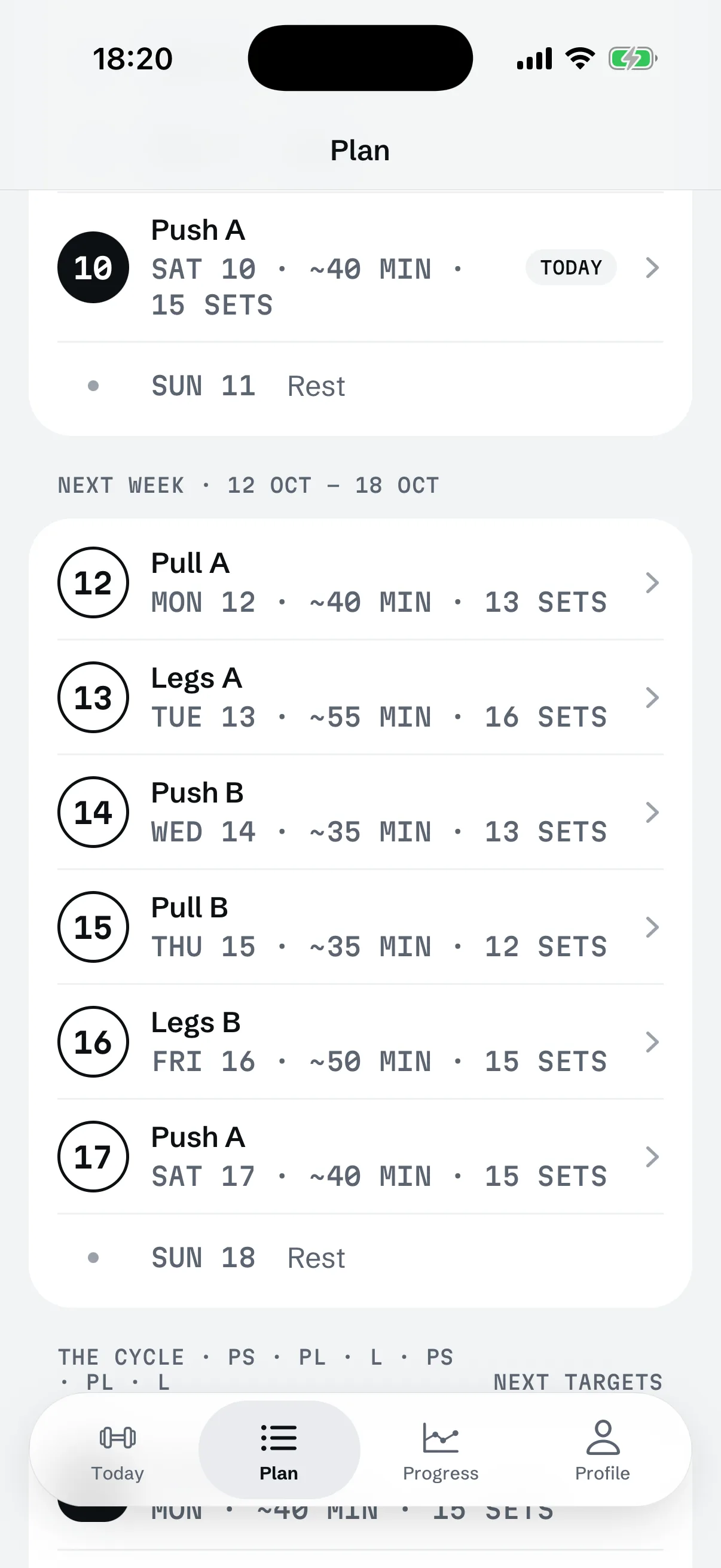
A 6 day push pull legs routine is three workouts done twice: Push A, Pull A, Legs A, then Push B, Pull B, Legs B, then a rest day. Push days train the chest, shoulders and triceps, pull days the back and biceps, legs days the lower body. That is the PPL split.
- MONPush A
- TUEPull A
- WEDLegs A
- THUPush B
- FRIPull B
- SATLegs B
- SUNRest
Push pull legs once a week, on three days, trains each muscle once. A 2016 review of ten studies found that training a muscle twice a week grew more muscle than once. It could not say whether three times beats two.
Missed a day? Do that workout next and carry on in order. See missed days and time off.
The workouts
Each row is an exercise, its working sets and rep range, and the rest between sets. Warm-up sets come on top.
Push A
- Barbell Bench Press4 × 6–10 · REST 2:00
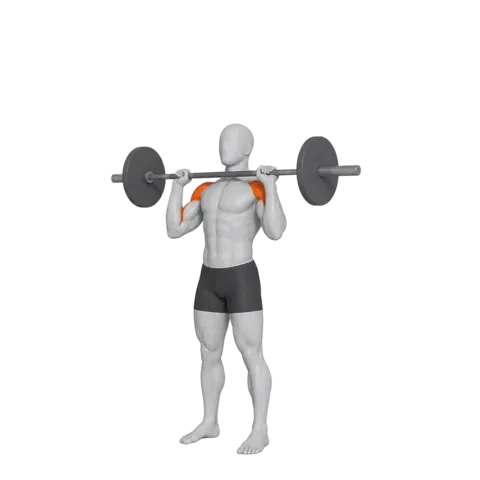
- Barbell Overhead Press2 × 8–12 · REST 2:00
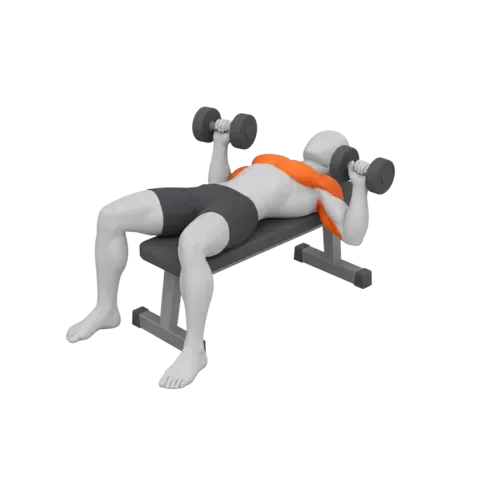
- Dumbbell Bench Press3 × 8–12 · REST 2:00
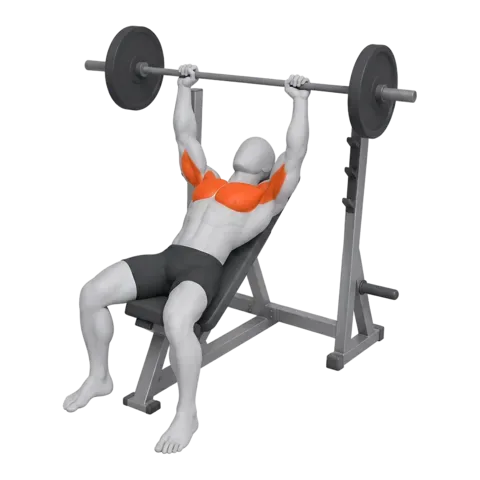
- Incline Barbell Bench Press3 × 8–12 · REST 2:00
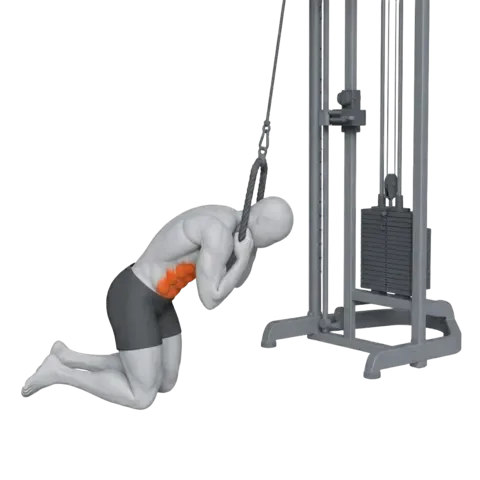
- Cable Crunch3 × 12–20 · REST 1:00
Pull A
- Lat Pulldown3 × 6–10 · REST 2:00
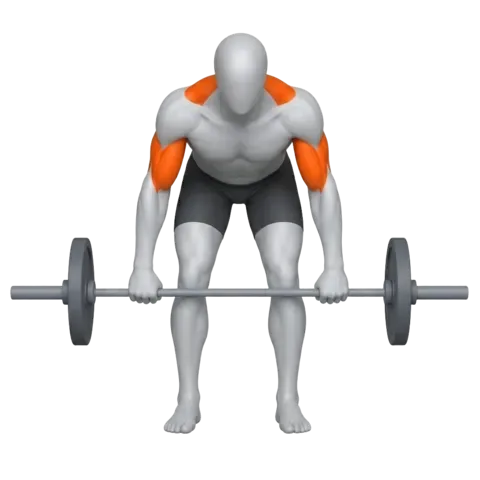
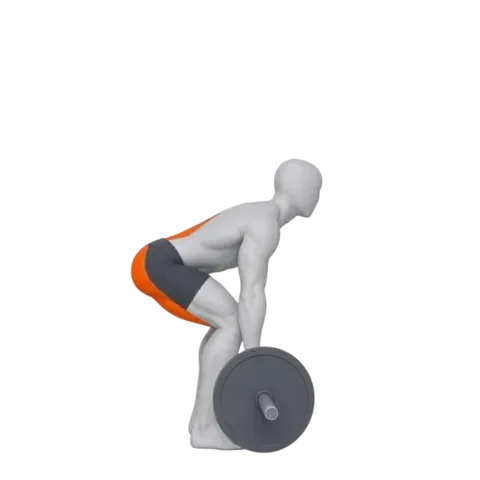
- Bent-Over Barbell Row2 × 8–12 · REST 2:00
- Barbell Deadlift3 × 8–12 · REST 3:00
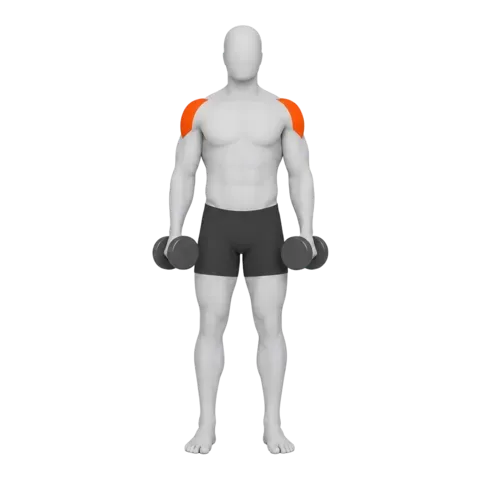
- Dumbbell Lateral Raise2 × 12–20 · REST 1:30
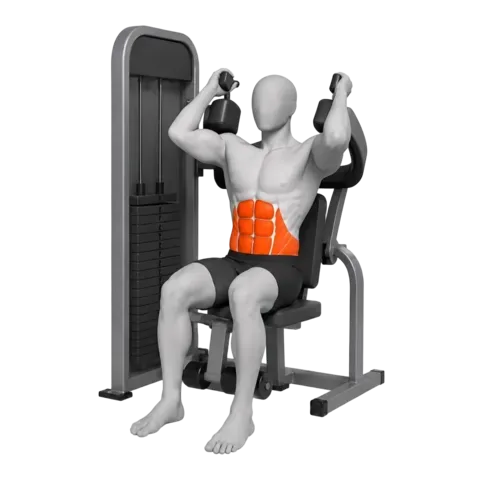
- Machine Seated Crunch3 × 12–20 · REST 1:00
Legs A
- Barbell Back Squat4 × 6–10 · REST 3:00
- Romanian Deadlift2 × 8–12 · REST 3:00
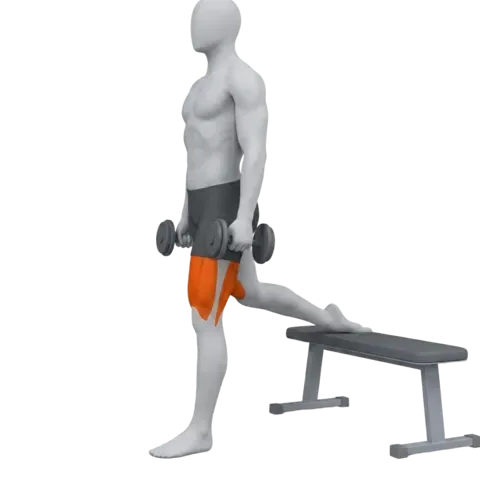
- Bulgarian Split Squat3 × 8–12 · REST 3:00
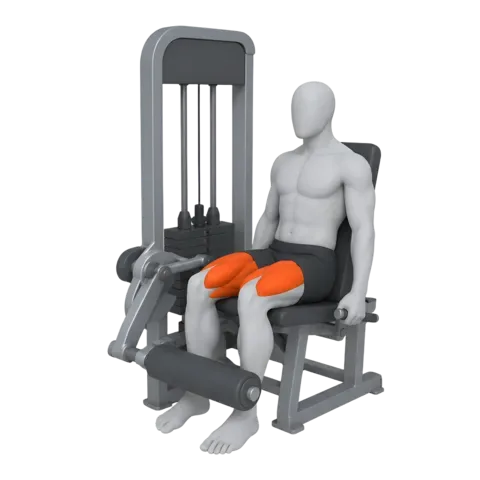
- Leg Extension2 × 10–15 · REST 1:30
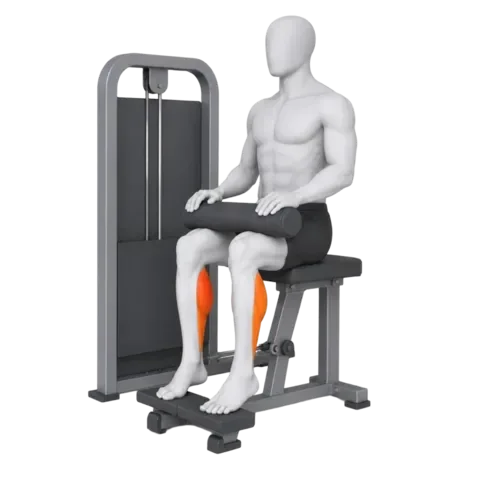
- Seated Calf Raise3 × 12–20 · REST 1:30
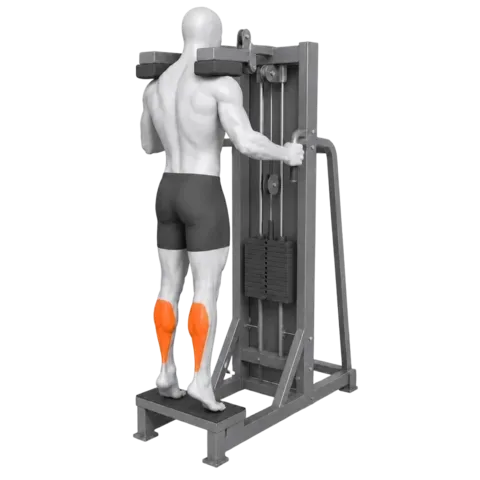
- Standing Calf Raise2 × 12–20 · REST 1:30
Push B
- Barbell Bench Press4 × 6–10 · REST 2:00
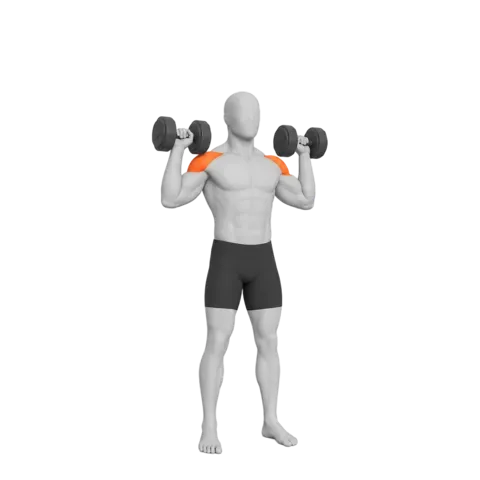
- Dumbbell Shoulder Press2 × 8–12 · REST 2:00
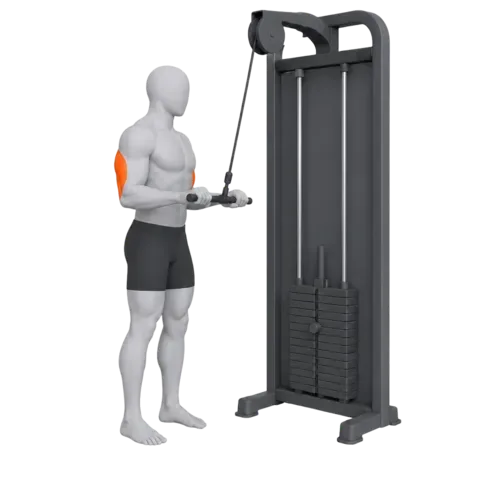
- Cable Tricep Pushdown2 × 10–15 · REST 1:30
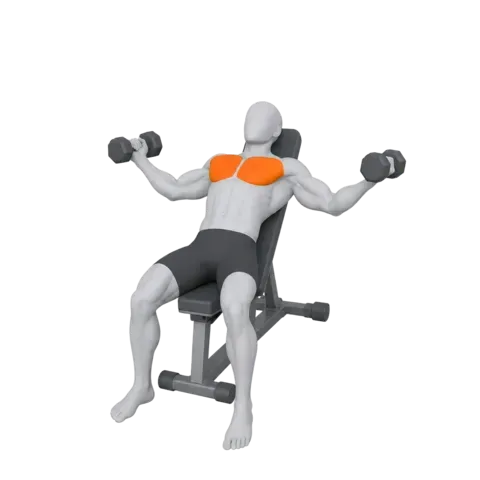
- Incline Dumbbell Fly2 × 10–15 · REST 1:30
- Cable Crunch3 × 12–20 · REST 1:00
Pull B
- Lat Pulldown4 × 6–10 · REST 2:00
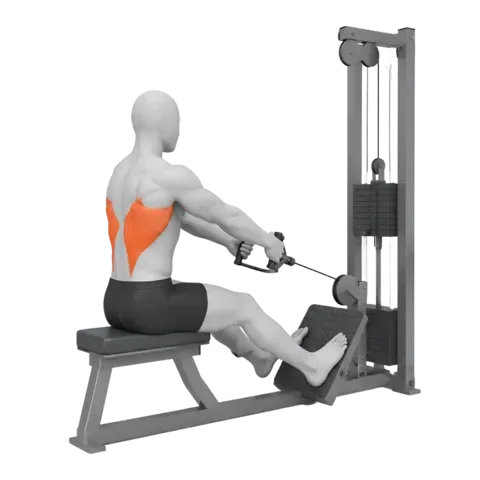
- Seated Cable Row3 × 8–12 · REST 2:00
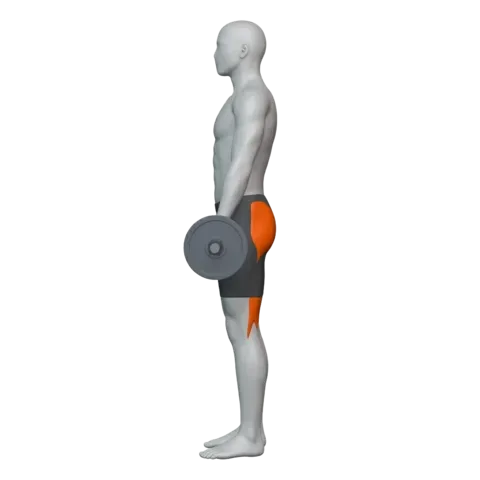
- Stiff Leg Deadlift2 × 8–12 · REST 3:00
- EZ-Bar Curl3 × 10–15 · REST 1:30
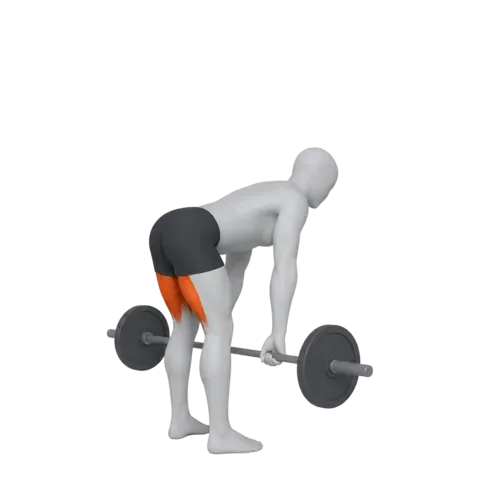
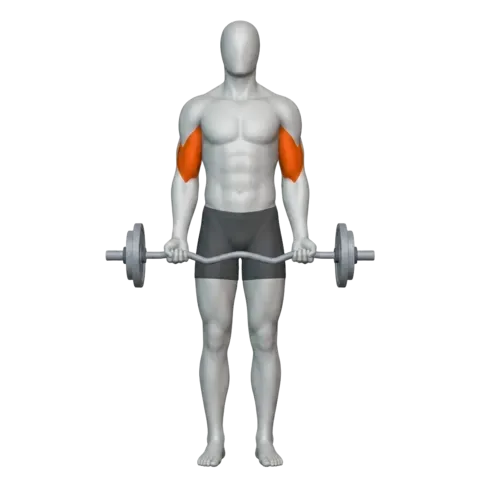
Legs B
- Romanian Deadlift3 × 6–10 · REST 3:00
- Leg Press3 × 8–12 · REST 3:00
- Kettlebell Reverse Lunge3 × 8–12 · REST 3:00
- Standing Calf Raise3 × 12–20 · REST 1:30
- Machine Calf Raise3 × 12–20 · REST 1:30
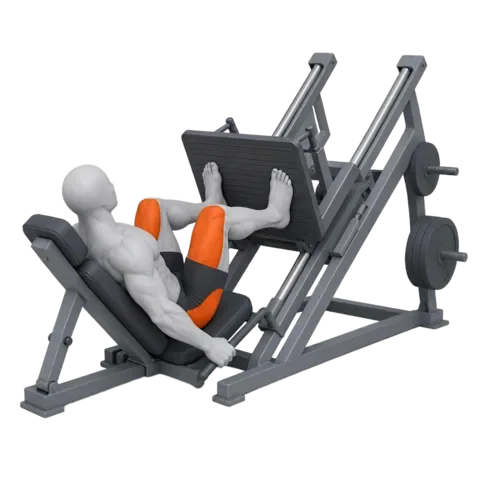
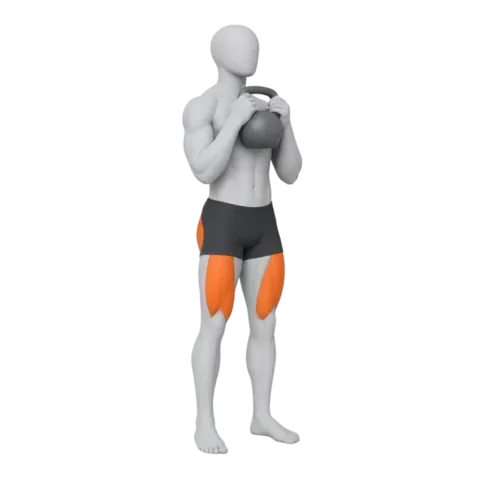
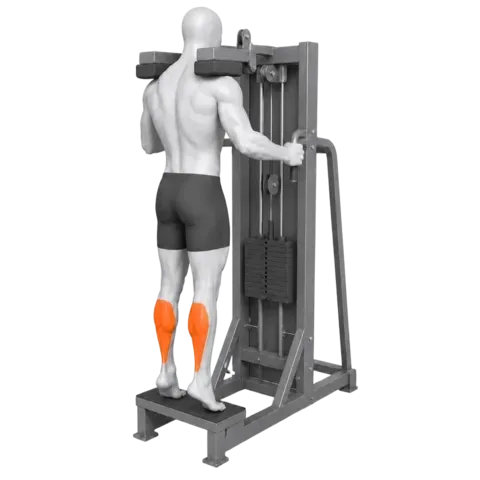
Take the rests as written: three minutes on the big leg lifts and the deadlifts, two on presses, pulldowns and rows, less on the small exercises.
The sessions differ in size, from 12 sets on Pull B to 16 on Legs A, and in length: about 45 to 55 minutes with warm-ups on push and pull days, 65 to 75 on legs days. The app shows each length without its warm-up sets. Once the week's sets are in, RIGOR adds nothing to fill the time.
Why it is built this way
Each workout opens with its main lift for 6 to 10 reps: the Barbell Bench Press on push days, the Lat Pulldown on pull days, the Barbell Back Squat on Legs A and the Romanian Deadlift on Legs B. The other big lifts follow at 8 to 12 reps, then the small exercises at 10 to 15, or 12 to 20 for calves, abs and the lateral raise.
- Main lift
- Other big lifts
- Small exercises
A 2024 review of 14 studies found that split and full-body routines gave similar strength and muscle growth when the weekly work was equal. So this split is a way to arrange six days, not the best workout split for everyone.
Parts of this plan differ from other PPL routines. The pull days carry a hip hinge: the Barbell Deadlift on Pull A, for 3 sets of 8 to 12 reps, and the Stiff Leg Deadlift on Pull B. RIGOR's rules keep the deadlift to once a week, never on the day the back squat leads. With the Romanian Deadlift on both legs days, the hamstrings work on four days of six, and there is no leg curl. The one lateral raise sits on Pull A, and direct arm work is one curl and one pushdown.
How to start
For each exercise, pick a weight you can lift for the middle of its rep range with about three reps left on the big lifts and two on the small ones: on a bench press at 6 to 10 reps, 8 reps with a weight you could lift 11 times. Your first session sets the starting point.
The effort rises through the block, counted in reps in reserve: on the big lifts leave about three reps in week 1, two in weeks 2 and 3, and one in week 4. The small exercises run one rep closer, so none in week 4.
Warm up before the big lifts: before an 80 kg bench press the sets are 20, 32.5, 47.5 and 65 kg; before 175 lb, 45, 70, 105 and 140 lb. Warm-up sets never count as working sets.
- Warm up2032.547.565
The empty bar × 10, then 40% × 5, 60% × 5 and 80% × 3.
- Stop short
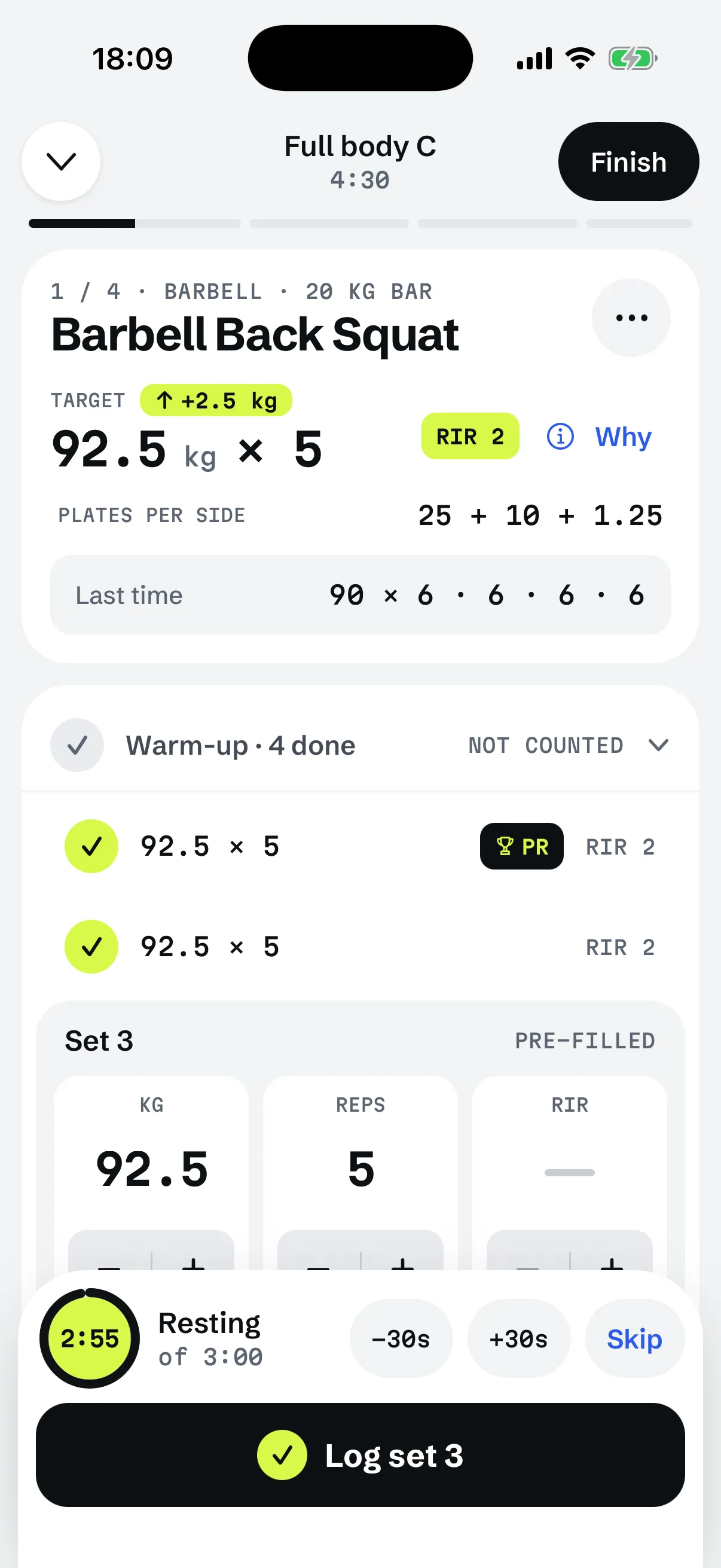
End each set with the planned reps left.
- Log what you did
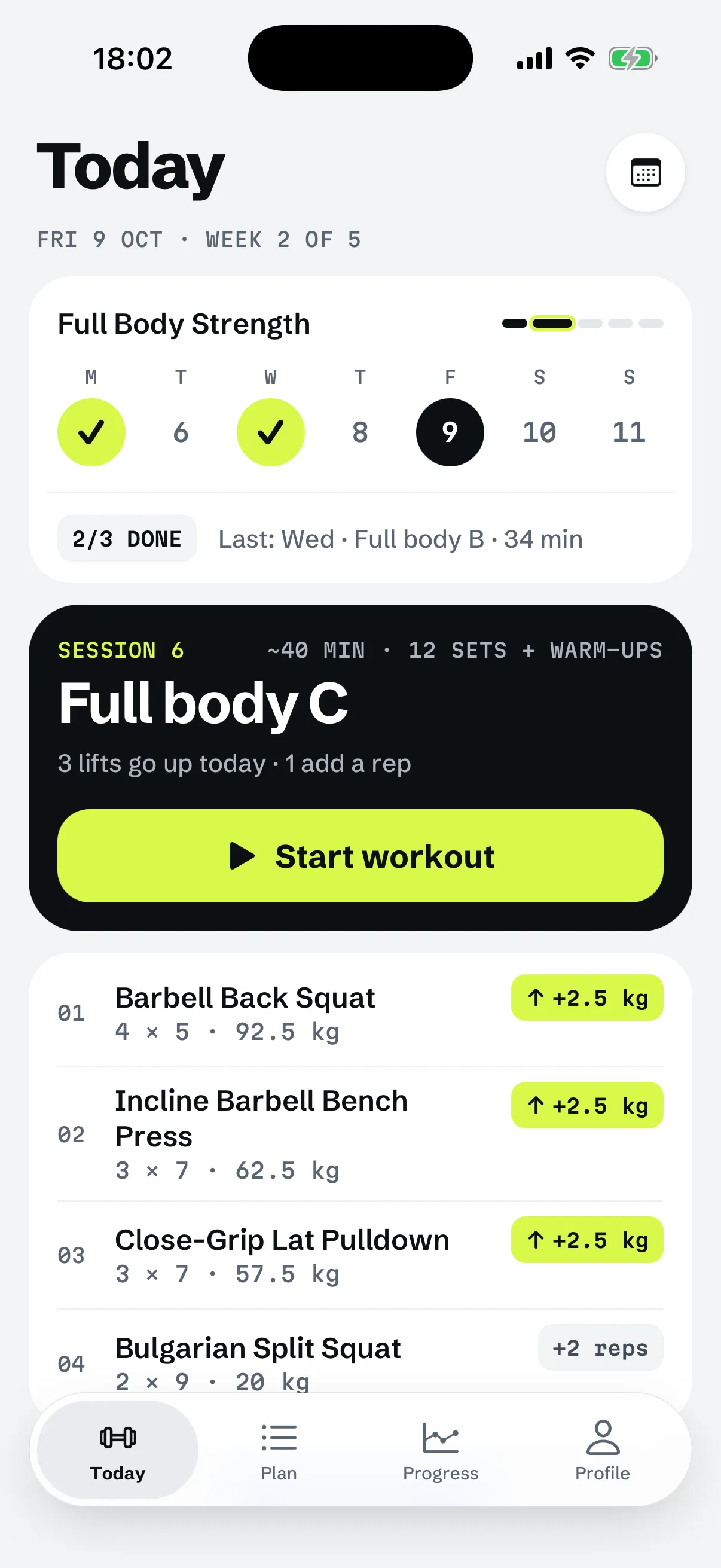
Log the weight and reps of every set. They set next time's target.
How it progresses
Every exercise has a rep range. Keep the weight and add reps until every set reaches the top of the range, then add weight: double progression, the same on every exercise here.
TOP OF THE RANGE8 REPS · BOTTOM
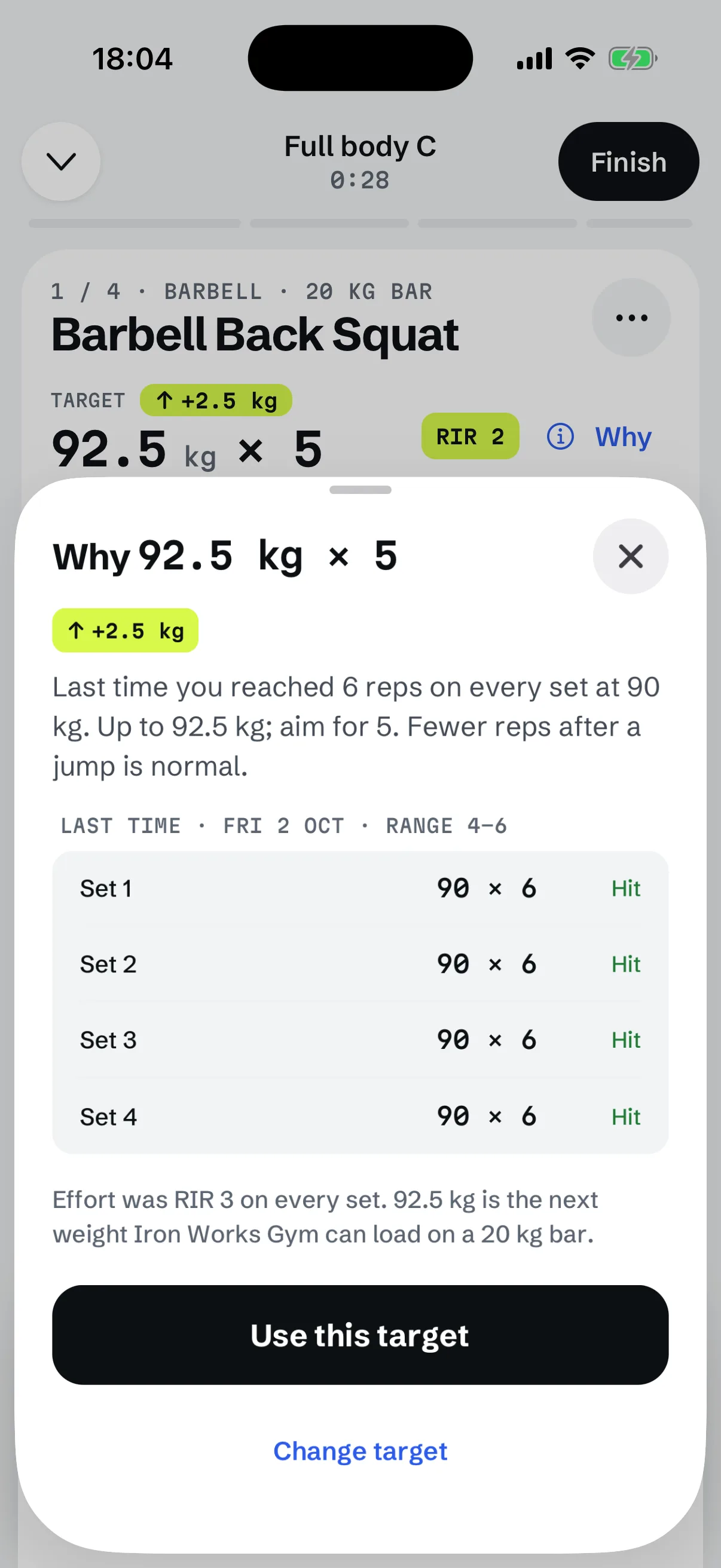
- All sets at the top of the range, at about the planned effort: the weight goes up.
- Not there yet: same weight, one more rep per set.
- Below the range twice in a row at the same weight: down 10%.
Only that exercise changes. How weights go up shows each case as the app words it.
If your gym lacks something
Swap an exercise for one that trains the same muscles with the equipment you have.
| Exercise | Swap for |
|---|---|
| Barbell Deadlift | Hex Bar Deadlift or Sumo Deadlift |
| Barbell Back Squat | Hack Squat or Smith Machine Squat |
| Barbell Bench Press | Machine Chest Press or Smith Machine Bench Press |
| Lat Pulldown | Pull-Up or Machine-Assisted Pull-Up |
| Kettlebell Reverse Lunge | Dumbbell Lunge or Smith Machine Reverse Lunge |
A swapped exercise starts its own history and never takes over the other lift's weight. In RIGOR, swapping an exercise suggests replacements from the equipment your gym has.
How long to run it, and where the deload goes
A block is five weeks: four training weeks, then the deload in week 5. One lift that keeps missing is no reason to take it sooner: two sessions below the range at the same weight take 10% off that lift alone.
- WEEK1
- WEEK2
- WEEK3
- WEEK4
- DELOAD5
In the deload week you still train six days, with the same exercises. Each does half its sets, rounded up, so the week drops from 84 working sets to 50. The weights are about 10% lighter, the reps are the bottom of each range, and you leave at least four in reserve. A 2023 consensus of strength and physique coaches defines a deload the same way: a period of reduced training stress to limit fatigue and prepare for the training that follows.
The deload week is never used to judge progress: the next block starts from your last normal week. Repeat the block for as long as your reps or weights keep going up on most lifts.
Get this program built for your gym
Questions
Is push pull legs a good split?
Yes, if you can train six days. A 2024 review of 14 studies found that split and full-body routines gave similar strength and muscle growth when the weekly work was equal.
Is push pull legs good for beginners?
Not six days a week. This plan carries an advanced lifter's sets, so start with three or four days.
Should I do push pull legs once or twice a week?
Twice, which takes six days. Once a week trains each muscle once, and a 2016 review of ten studies found that twice grew more muscle.
When should I deload on PPL?
In week 5, after four training weeks. Keep the six days and the same exercises, and do half the sets with about 10% less weight.