Smith machine weight is not the same as free weight in the studies here. In two, bench press one-rep max was higher with the barbell than on the Smith machine; in one, squat one-rep max was higher on the Smith machine. RIGOR logs a Smith lift as its own exercise, and a swapped-in exercise does not inherit another exercise's load.
Is Smith machine weight the same as free weight?
No. A Smith machine bar rides on fixed rails, so it does not move like a free bar, and the load you can handle changes with it. Which way it changes depends on the lift: in the two studies below that measured a bench press one-rep max it was lower on the Smith machine, and in the one that measured a squat one-rep max it was higher. Manufacturers do not usually state the machine bar's weight, either.
So a number from one is not a number for the other. Bar weight is a separate question, and does the bar count as weight answers it. This page is about what the kilos mean once you have them.
Is Smith machine weight lighter?
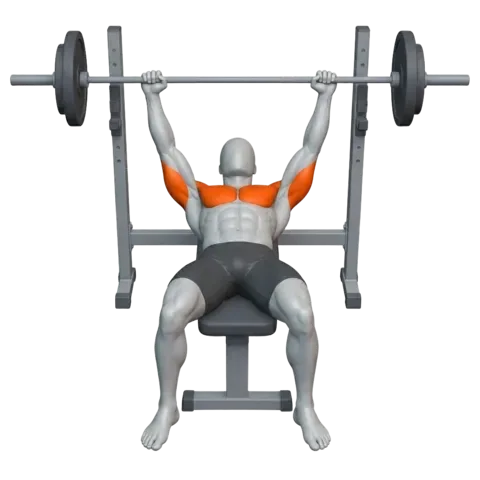
For the bench press, both studies that measured a one-rep max found the barbell higher. In the 2011 study, Saeterbakken and colleagues tested 12 healthy, resistance-trained men, aged 22.7 on average, on a one-rep max in three chest-press exercises: Smith machine, barbell and dumbbells. The barbell load was about 3% higher than the Smith machine's. In the 2005 study the bench 1RM was greater with free weights than on the Smith machine, as the next paragraph says. The dumbbell load was 14% less than the Smith machine's and 17% less than the barbell's. The abstract does not say how the Smith bar was counted.
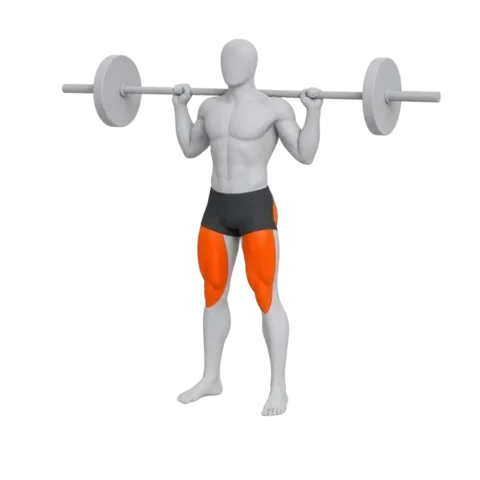
For the squat, it went the other way in the one study that measured it. Cotterman, Darby and Skelly had 16 men and 16 women alternate between Smith machine and free weight one-rep max tests for the parallel back squat and the supine bench press. Across all 32 the squat 1RM was greater on the Smith machine than with free weights, and the bench 1RM was greater with free weights. Split by sex, the squat result held for women only, and the bench result held for men and women.
| Study | Who | What was measured | Finding |
|---|---|---|---|
| Saeterbakken 2011 | 12 resistance-trained men | 1RM, three chest-press exercises | Barbell load about 3% higher than Smith machine |
| Cotterman 2005 | 16 men, 16 women | 1RM, squat and bench press | Squat greater on Smith machine (for women only when split by sex); bench greater with free weights (men and women) |
| Schwanbeck 2009 | 6 healthy people | EMG, one set of 8 reps at 8RM | Free weight squat 43% higher, averaged over all muscles |
RIGOR is a strength training app for iPhone that builds your plan and sets every weight by rules you can read.
YOUR IPHONE

Smith machine squat vs barbell squat: what is the weight difference?
There is no fixed gap. In the 2005 study the squat 1RM was greater on the Smith machine than with free weights, but when the authors split the group by sex only the women's difference stood. They also gave two equations. For both sexes (32 people), Smith machine bench 1RM in kilograms equals −6.76 + 0.95 times the free-weight bench 1RM. For women only (16 people), Smith machine squat 1RM equals 28.3 + 0.73 times the free-weight squat 1RM.
Use it as a sense of scale: the bench number lands under the barbell one. The bench equation came from 16 men and 16 women and the squat equation from the 16 women, both on a one-rep max, and your machine may differ. Treat it as a first guess; the first session on the machine settles it.
Which is harder, a Smith machine squat or a barbell squat?
The studies here do not rank them. A heavier load is not a harder lift. In Schwanbeck's study six healthy people did one set of 8 reps at a weight they could lift 8 times, once on each. Muscle activity was higher in the gastrocnemius, biceps femoris and vastus medialis in the free weight squat, and averaged over all the muscles measured it was 43% higher than in the Smith machine squat. They write that the free weight squat may be more beneficial for individuals looking to strengthen plantar flexors, knee flexors and knee extensors.
It is one set, in six people. It says the two squats load the muscles differently. It does not say one is better for you. In the chest press, the 2011 study found activity in the pectoralis major and anterior deltoid did not differ between Smith machine, barbell and dumbbells.
Is Smith machine weight accurate?
It depends on the bar. Wikipedia's page on the Smith machine says some have the bar counterbalanced and that manufacturers do not usually state the bar's weight, which makes an accurate log hard to keep. The free bars are in types of barbells. Plate math works through the bar of one counterbalanced machine.
RIGOR sidesteps it: the number you log on a Smith machine exercise is the plates alone. 70 kg a side is 140 on a Smith machine, and 160 on a 20 kg barbell, which is why the two are not the same number even with the same plates. The barbell plate calculator loads either from a total.
How does RIGOR keep a Smith lift apart from the barbell lift?
As two exercises. The catalogue has a Barbell Back Squat and a Smith Machine Squat, with different exercise ids, and a Barbell Bench Press and a Smith Machine Bench Press likewise. RIGOR's comparable history for an exercise is the earlier sessions with the same exercise id and load convention and at least one completed working set of it; easier-today and deload sessions are not a baseline. A swapped-in exercise has its own history and never inherits another exercise's load.
So a Smith squat does not take its weight from your barbell squat, nor the other way round. The rule that raises a weight, double progression, reads each exercise's own sessions.
| Program | Lift | Smith machine swap |
|---|---|---|
| 3 day full body | Barbell Back Squat | Smith Machine Squat |
| 6 day push/pull/legs | Barbell Back Squat | Smith Machine Squat |
| 6 day push/pull/legs | Barbell Bench Press | Smith Machine Bench Press |
| 6 day push/pull/legs | Kettlebell Reverse Lunge | Smith Machine Reverse Lunge |
| 4 day upper/lower | Standing Calf Raise | Smith Machine Calf Raise |
What happens the first time you use a Smith lift?
With no history for an exercise and no weight you report, RIGOR leaves the load blank and fills the reps at the middle of the range. It shows the reps in reserve target and asks you to pick a weight you can lift for the rep range with about that many reps left. If you choose "I know a weight I've used" in the starting-weight sheet, RIGOR takes 10% off the max that weight and reps suggest, then picks the heaviest load your gym has that should still reach the middle of the rep range. The app names the convention: on a Smith machine exercise it says the bar's own weight is not part of the number. Pick the weight by feel from the rep range, as in what weight to lift, and log it. The next session's target is worked out from that one.
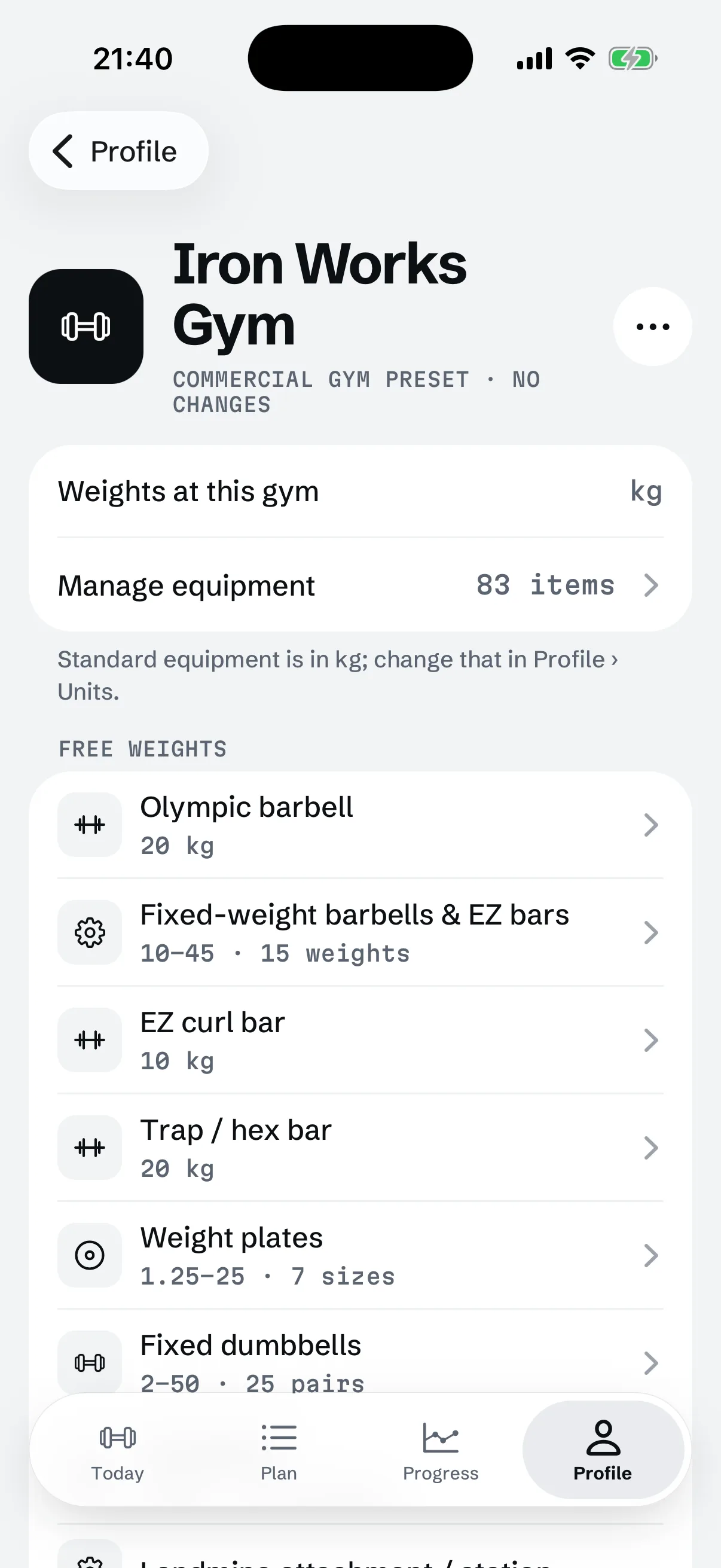
The Smith machine holds no plates of its own in gym setup and loads from the gym's weight plates, so the loads it can offer are built from the plates you have.
When does this not apply?
Set your gym once, then pick the exercise
Questions
How much does a Smith machine bar weigh without weight?
It varies by machine. Wikipedia says some Smith machines have the bar counterbalanced and that manufacturers do not usually state the bar's weight. Check the machine or its maker. For a Smith machine exercise RIGOR logs the plates you load, and the bar is not part of the number.
Can I convert my barbell weight to a Smith machine weight?
Not with one rule. A 2005 study gave an equation for the bench press (16 men and 16 women) and one for the squat (the 16 women only), and both predict a one-rep max. RIGOR does not convert a barbell weight. With no history and no weight you report, the load starts blank and you pick one for the rep range; if you report a weight you have used, RIGOR takes 10% off the max it suggests and picks a load for the rep range from that.
Does RIGOR use my barbell squat weight for a Smith machine squat?
No. A swapped-in exercise has its own history and never inherits another exercise's load, and the Smith Machine Squat and the Barbell Back Squat are two exercises in the catalogue.